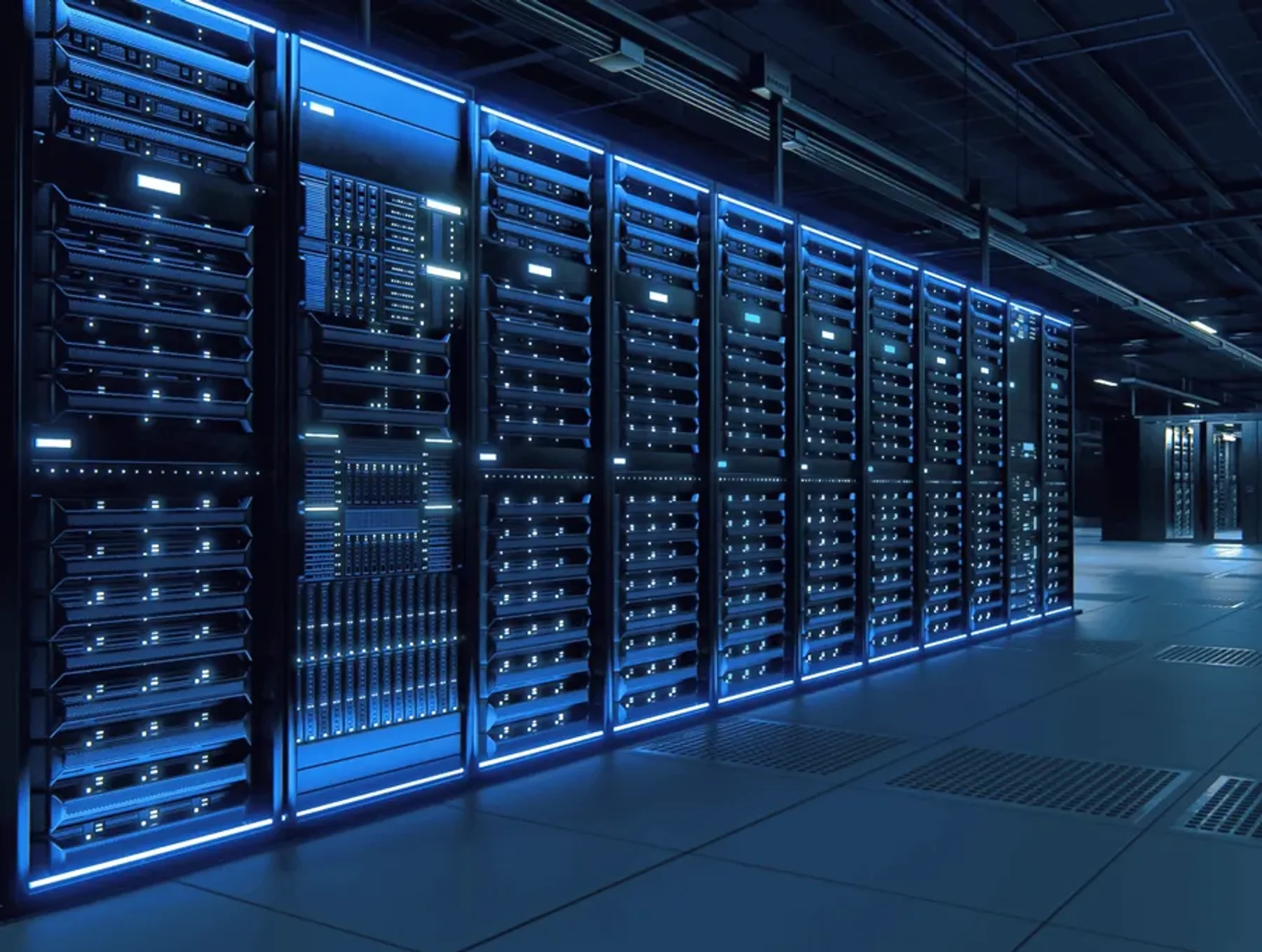
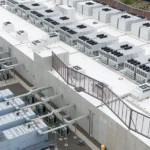
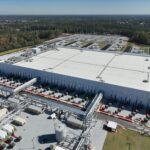
America’s rush to build the infrastructure behind artificial intelligence is running into a force that money cannot easily silence: local opposition. Data centre projects worth about $68 billion were blocked or delayed in just three months as communities pushed back against the industry’s growing appetite for electricity, water and land.
Research group Data Centre Watch counted 45 affected projects between April and June, according to a Bloomberg report carried by Yahoo Finance. The group also found that lawmakers in about 30 states had introduced or adopted rules dealing with data-centre locations, power consumption and water use.
The scale is remarkable because AI companies have treated computing capacity as a race in which speed matters more than almost everything else. Microsoft, Google, Meta, Amazon and a growing class of specialist cloud operators are trying to secure sites, chips and power before rivals do. But a planned facility still needs a grid connection, permits and a community willing to live beside it.
Residents are not only objecting to abstract environmental costs. Large facilities can require new transmission lines, consume substantial water for cooling and operate around the clock. Communities worry that households may face higher electricity bills while much of the economic value flows to technology companies elsewhere.
Developers often promise construction work, tax revenue and investment. The difficulty is that data centres employ relatively few people once construction is complete. That makes the trade-off harder to sell when a project also brings noise, heavy infrastructure and competition for limited power.
This does not mean the AI build-out will stop. It means companies may have to pay more for cleaner generation, closed-loop cooling, grid upgrades and direct benefits for host communities. Projects may also move toward regions with abundant power or be redesigned around smaller, more distributed facilities.
The resistance adds another constraint to an industry already dealing with chip shortages and financing concerns. TechBooky’s coverage of AI data-centre expansion has repeatedly shown that compute is becoming an energy and infrastructure story as much as a software one.
The $68 billion figure is therefore more than a tally of delayed construction. It is a warning that the next phase of AI cannot be built through boardroom announcements alone. Companies will need public consent, credible environmental plans and a better answer when communities ask what they receive in return.
Related Reading
More contextual TechBooky stories selected from tags, categories and article context.
Paul Balo is the founder of TechBooky and a highly skilled wireless communications professional with a strong background in cloud computing, offering extensive experience in designing, implementing, and managing wireless communication systems.
We use cookies to ensure that we give you the best experience on our website. If you continue to use this site we will assume that you are happy with it.