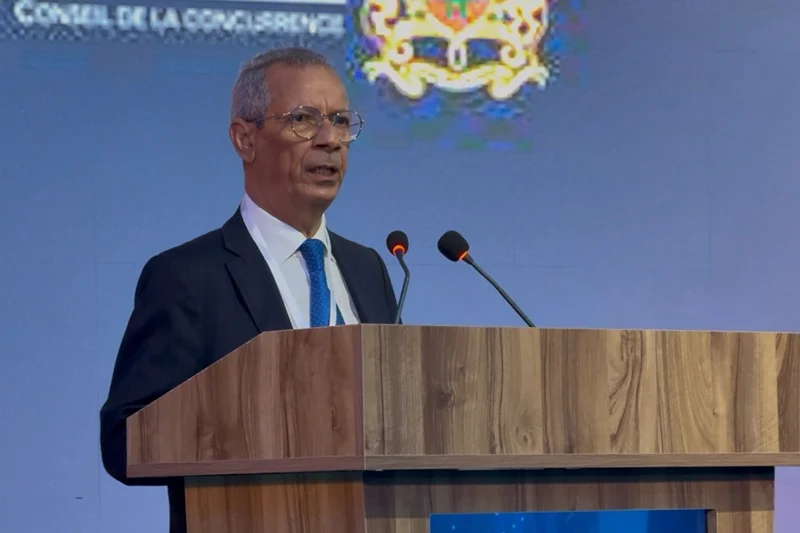
Morocco has put artificial intelligence in the name of a cabinet portfolio, appointing Ahmed Rahhou as Minister of Artificial Intelligence, Digital Transformation and Administration Reform. The appointment was part of the new government named on October 16. It gives the country’s AI ambitions an identifiable political lead, but the real test will be whether that title translates into usable services, research capacity and opportunities for Moroccan businesses.
This is more than a stand-alone AI brief. Rahhou’s portfolio combines AI with the wider task of digitising government and reforming administration. That matters because an algorithm cannot improve a public service whose records, processes and access points remain fragmented. The minister will have to connect the technology agenda to the less glamorous work of implementation.
Morocco was already building an AI programme before the cabinet reshuffle. In September, the government outlined its Morocco AI 2030 roadmap, also described as “AI Made in Morocco.” Its stated targets are 100 billion dirhams in added GDP value, 50,000 direct and indirect jobs, and 200,000 trained and certified AI professionals by 2030. These are goals, not achievements, and the new ministry will be judged by progress against them.
The roadmap includes a network of JAZARI institutes for research and innovation, a proposed marketplace for trusted AI services, and Idarati AI, an assistant intended to help people navigate administrative procedures. These initiatives give the portfolio tangible projects to develop. They also raise practical questions about funding, data protection, language support and whether citizens outside major cities will benefit.
Morocco has also worked with Mistral AI on local AI building blocks under its digital strategy. That partnership is one route toward models and applications adapted to the country’s languages and institutions, though a partnership alone does not guarantee technological independence. The deeper question is how much expertise, infrastructure and control Morocco can build at home.
African governments increasingly face a choice between simply buying AI tools made elsewhere and developing the capacity to shape, evaluate and deploy those tools for local needs. TechBooky has reported on Cote d’Ivoire’s work with Mistral AI, another example of the continent’s effort to bring AI into public services. Morocco’s cabinet decision adds a high-profile political dimension to that trend.
The appointment should not be mistaken for a new law, a finished AI system or a guaranteed economic windfall. It is a decision about responsibility. A minister with AI in his title can coordinate departments and be held accountable when projects stall. Whether Morocco becomes an African AI leader will depend on results that people and businesses can actually use, not on the wording of a cabinet list.
Related Reading
More contextual TechBooky stories selected from tags, categories and article context.
Paul Balo is the founder of TechBooky and a highly skilled wireless communications professional with a strong background in cloud computing, offering extensive experience in designing, implementing, and managing wireless communication systems.
We use cookies to ensure that we give you the best experience on our website. If you continue to use this site we will assume that you are happy with it.