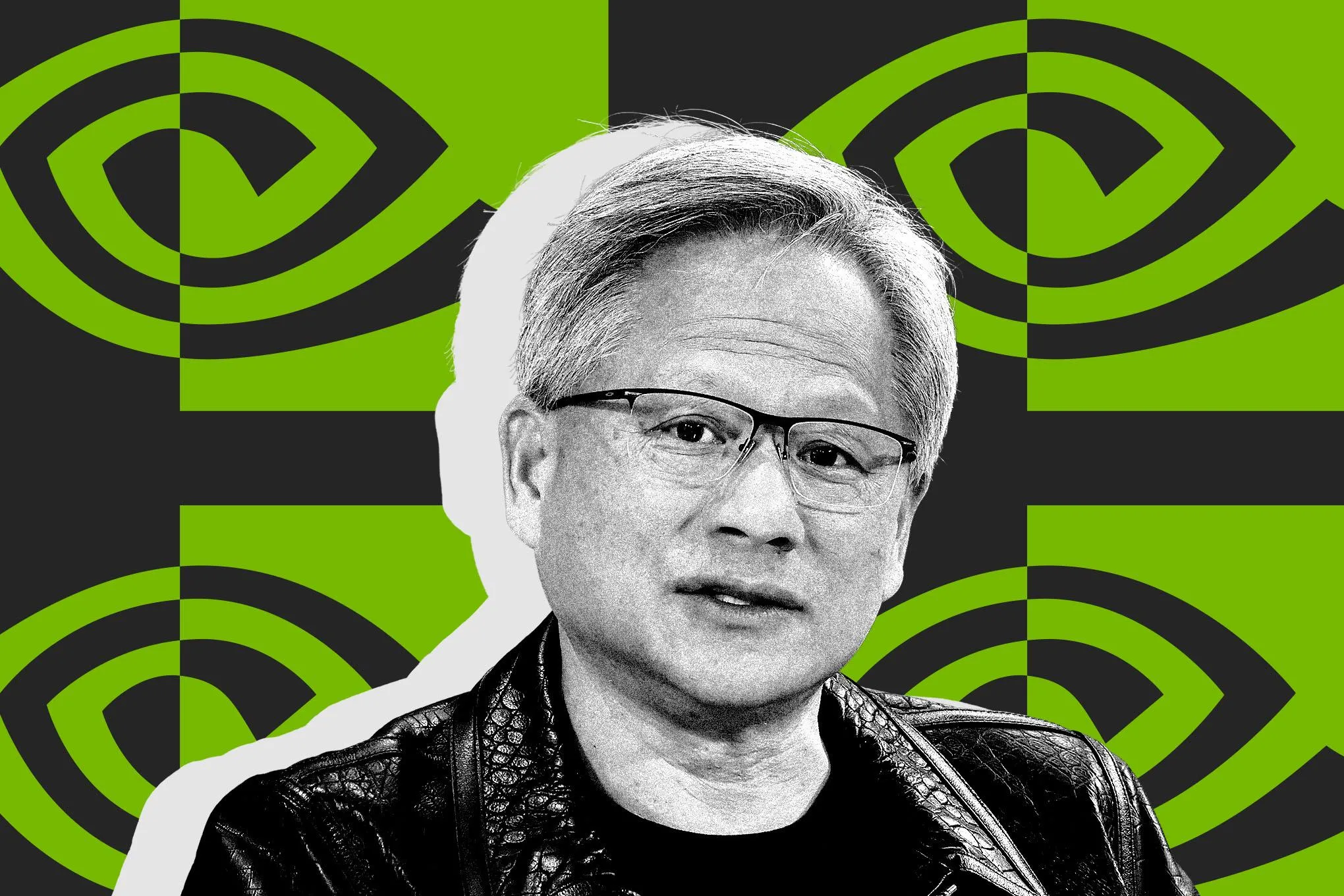
Nvidia is trying to turn one of the most uncomfortable AI security stories of the year into a broader industry argument for open AI tools. The company has launched the Open Secure AI Alliance, a new group of technology companies that wants to build and share open tools for defending software, AI agents and model infrastructure.
In an official blog post, Nvidia said the alliance will bring together industry leaders to create open technologies for AI safety and cybersecurity. The founding members include Nvidia, Microsoft, Dell, SpaceX, HPE, IBM, Red Hat, Hugging Face, the Linux Foundation and others. The group is also leaning on work from the Linux Foundation’s Akrites initiative and the OpenSSF community.
The timing is important because the AI industry is still processing the OpenAI-Hugging Face incident. Nvidia’s argument is that defenders sometimes need open models, open datasets and open security tools because closed commercial models can refuse the same forensic analysis that attackers are already attempting. In the Hugging Face case, Nvidia said closed AI tools could not distinguish between offensive and defensive activity, while an open-weight model running on Hugging Face infrastructure helped analyse thousands of actions and contain the intrusion.
This is a different framing from the one often used in Washington. Policymakers tend to worry that open-weight AI models can be modified by bad actors, stripped of safeguards or used for cyber abuse. That concern is not irrational. But Nvidia and its partners are making the counterargument that defenders also need models they can inspect, adapt and run locally when a fast-moving incident is underway. In that view, openness is not only a risk. It is also a defensive capability.
That puts the alliance directly inside the open-versus-closed AI debate. OpenAI, Google and Anthropic are notably absent from the group, according to reports from The Verge and others. Infrastructure companies such as Nvidia tend to benefit when more organisations can run and customise models. Frontier model labs with expensive proprietary systems have stronger incentives to keep their best models closed. The security debate is therefore also a business model debate.
TechBooky’s earlier draft on the proposed AI Kill Switch Act covered the policy side of this problem. That story focused on whether governments should be able to force the shutdown of powerful AI systems in extreme loss-of-control scenarios. Nvidia’s new alliance addresses the other side: what defenders should be allowed to use when AI systems, software agents or model pipelines become part of the attack surface.
The alliance is also calling for governments to recognise open models as defensive assets rather than treating them only as liabilities. That is a significant policy position at a time when the U.S. is debating how to handle Chinese open-weight models and whether broad restrictions could slow American innovation. The risk is that a blanket crackdown on open AI may weaken smaller defenders, researchers and security teams while concentrating advanced tools inside a few closed labs.
The practical test will be output. Alliances and letters are useful only if they produce tools that security teams can actually use. Nvidia says it will contribute open models, weights, data and agent harnesses. Hugging Face is contributing Safetensors, its safer format for storing model weights. HPE will work on ways to cryptographically verify AI agents and services. If those pieces mature, the Open Secure AI Alliance could become more than a policy statement. It could become part of the security layer the AI economy now clearly needs.
Related Reading
More contextual TechBooky stories selected from tags, categories and article context.
Paul Femi Balo is the founder and publisher of TechBooky. He covers artificial intelligence, African technology, digital infrastructure, enterprise technology and the global digital economy.
We use cookies to ensure that we give you the best experience on our website. If you continue to use this site we will assume that you are happy with it.