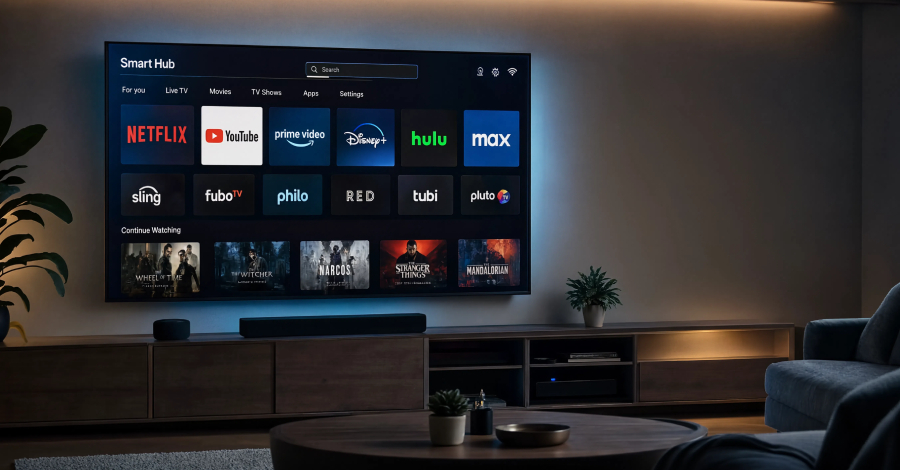
Samsung is tightening the rules for smart TV apps after security researchers found that some apps can quietly turn a television into part of a residential proxy network. That sounds technical, but the consumer risk is very plain: someone else could route internet traffic through a device sitting in your living room.
TechCrunch reported that Samsung is banning apps that share users internet connections with strangers. The move follows research from Spur, which scanned 6,038 LG and Samsung smart TV apps and found 2,058 containing residential proxy SDKs. Spur said the figure across both platforms reached 34.1 percent, with Samsung Tizen apps also affected.
Residential proxy networks work by letting third parties use real home internet connections as exit points. Fraudsters, scrapers and other actors value those connections because traffic coming from a normal household IP address can look less suspicious than traffic coming from a data centre. The problem is that users often do not understand that an app on a TV, phone or streaming box may be turning their connection into part of that network.
Smart TVs are an especially uncomfortable place for this to happen. People do not monitor TV apps the way they monitor banking apps or browsers. A free screensaver, game, clock or entertainment app can sit on a TV for months, always connected, quietly doing things the owner never expected.
This is not only a Samsung problem. LG said last month it would suspend webOS apps with residential proxy capabilities after similar research. Amazon bans the category and Roku reportedly blocks it. Samsung action suggests major TV platforms are beginning to understand that app-store rules for living-room devices have to be stricter than they have been.
The wider issue is that consumer electronics are becoming invisible infrastructure. TVs, routers, cameras, smart speakers, streaming boxes and digital frames are no longer passive devices. They are internet-connected computers, often with weak user visibility and long replacement cycles. If developers can monetize those devices by selling unused bandwidth, consumers need far clearer disclosure and control.
There is a security angle beyond privacy. If traffic from a stranger exits through a users home connection, that user may be exposed to abuse complaints, rate limits or suspicion from websites and services. In more serious cases, the device could become part of a fraud chain or proxy service used to hide malicious behaviour.
That is why this story belongs beside the broader AI and cyber risk conversation. We have covered how cyber-espionage malware and AI-driven attack paths are raising pressure on enterprises. But ordinary consumer devices also need attention. A weak home device can become useful infrastructure for someone else.
Samsung ban is a good step, but app stores should not wait for researchers to reveal the problem each time. Smart TV platforms need routine scanning, clearer developer rules and visible user warnings when an app attempts to share bandwidth. The living room should not become a proxy server just because someone downloaded a free app.
Paul Balo is the founder of TechBooky and a highly skilled wireless communications professional with a strong background in cloud computing, offering extensive experience in designing, implementing, and managing wireless communication systems.
We use cookies to ensure that we give you the best experience on our website. If you continue to use this site we will assume that you are happy with it.