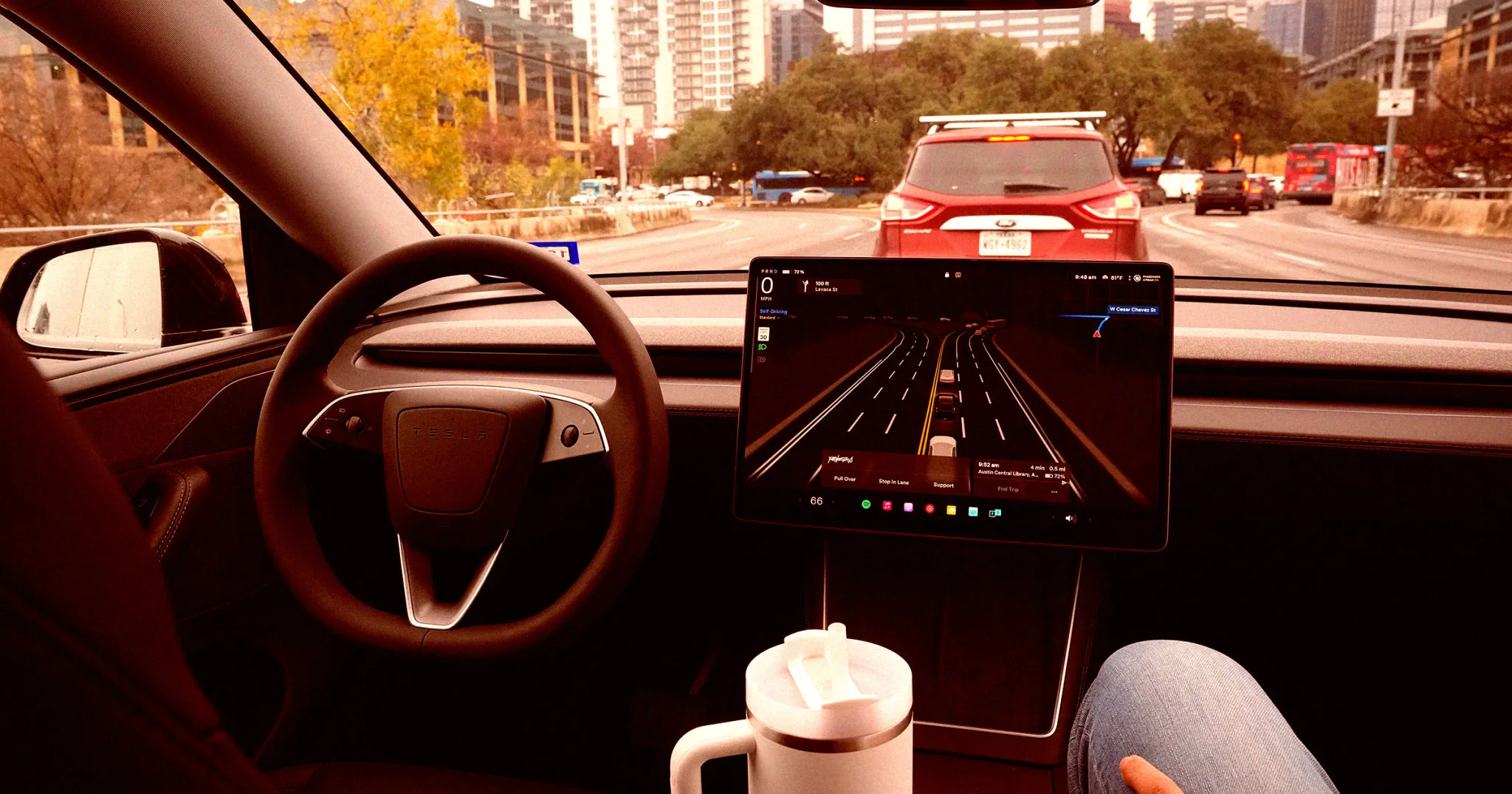
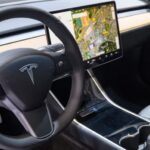
Tesla is facing another robotaxi safety lawsuit, and this one comes from inside the operation. A former Tesla manager says the company’s Full Self-Driving vehicles used in robotaxi work became rolling hazards because safety operators were overstretched and asked to supervise too many vehicles at once.
Engadget reported that the fired manager alleges Tesla pushed the system toward a “systemic safety breakdown” by overextending the people responsible for monitoring its robotaxis. The lawsuit says operators were expected to oversee multiple vehicles, raising the risk that they could miss dangerous behaviour or fail to intervene quickly when the software made mistakes.
That accusation cuts directly into Tesla’s robotaxi pitch. Elon Musk has spent years promising that Tesla’s cars can become autonomous revenue-generating vehicles. The financial case depends on scale. If each robotaxi needs too much human supervision, the economics become much weaker. If Tesla reduces supervision too aggressively, the safety questions become sharper. That is the tension sitting underneath this lawsuit.
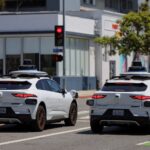
Tesla has always taken a different route from companies such as Waymo. It relies heavily on cameras and software deployed across consumer vehicles, while Waymo uses a more sensor-heavy approach and operates in tightly mapped service areas. Tesla’s argument is that its path can scale faster. Critics argue that faster scaling can create risk if the system is not ready for messy real-world conditions.
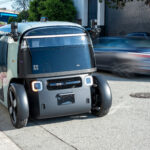
TechBooky’s recent draft on Lyft and Baidu testing robotaxis in London shows how other players are entering the same market more cautiously, with safety drivers and city-by-city deployments. Tesla wants to move faster and prove that its software-first approach can leapfrog that model. This lawsuit suggests the operational layer may be harder than the product story sounds.
The case also arrives at a sensitive time for Tesla. Investors are still trying to decide how much of the company’s valuation should rest on future robotaxi revenue rather than car sales. If robotaxis look like a near-term business, Tesla gets a stronger AI-and-autonomy story. If they look like a safety and regulatory problem, the valuation case becomes harder to defend.
The lawsuit is only one side of the story, and Tesla will have its own defence. But the allegation is serious because autonomous driving is not judged by demo videos alone. It is judged by operations, incident response, supervision, regulation and public trust. If Tesla wants robotaxis to become a business, it has to prove the system is not only impressive, but manageable at scale.
Related Reading
More contextual TechBooky stories selected from tags, categories and article context.
Paul Balo is the founder of TechBooky and a highly skilled wireless communications professional with a strong background in cloud computing, offering extensive experience in designing, implementing, and managing wireless communication systems.
We use cookies to ensure that we give you the best experience on our website. If you continue to use this site we will assume that you are happy with it.