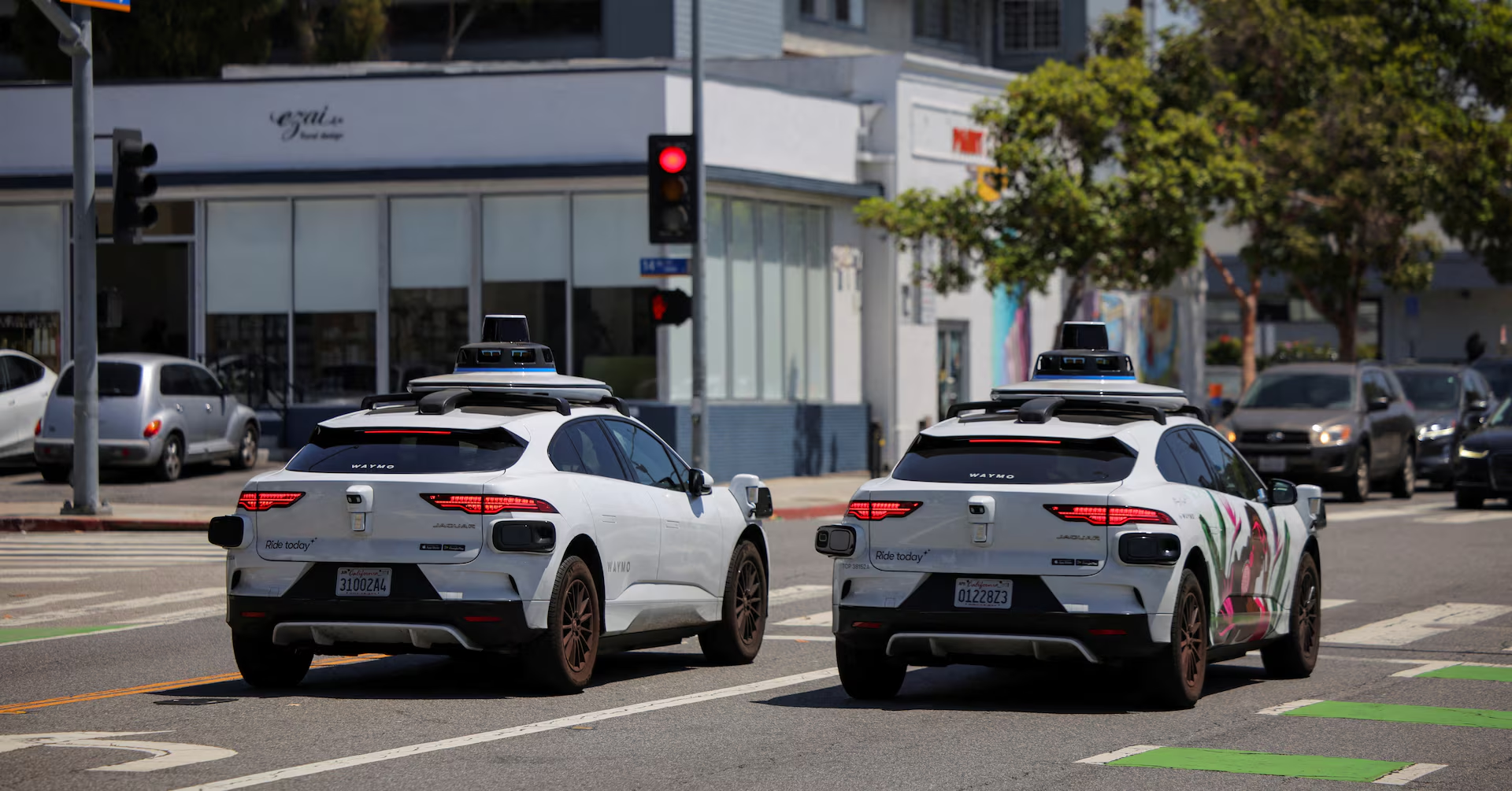
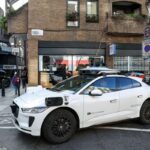
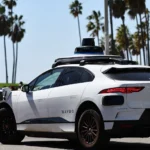
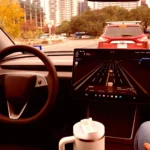
Waymo is choosing an interesting moment to go on offence. Just days before Tesla’s expected Cybercab event on September 3, Alphabet’s robotaxi company is expanding its service footprint and sharpening its argument that true self-driving needs more than cameras and end-to-end AI.
The timing is difficult to miss. Tesla is holding a Cybercab launch event in Austin, while Waymo is using the same week to remind the market that it already operates paid driverless rides in multiple cities and has years of real-world autonomous mileage behind it.
TechCrunch reported today that Waymo announced three new markets and argued that fully autonomous vehicles are not possible without a mix of sensors. Axios also reported that Waymo’s cheaper next-generation robotaxis are expanding into markets such as San Diego, Denver and Tampa, while raising new questions around China-linked vehicle manufacturing.
Waymo’s core argument is safety redundancy. In its demonstrably safe AI explanation, the company says autonomous driving requires a carefully engineered system, not only a powerful model. That is a direct contrast with Tesla’s long-running bet that cameras and neural networks can eventually deliver autonomy at scale.
This is not just a technical disagreement. It is a business model fight. Waymo’s approach is expensive, hardware-heavy and slow to scale, but it is already operating without human drivers in real commercial environments. Tesla’s approach is cheaper in theory because it can lean on vehicle cameras and software, but the company still has to prove it can deliver unsupervised autonomy broadly and safely.
That is why Cybercab matters so much to Tesla’s valuation story. The company is not only trying to sell another vehicle. It is trying to convince investors that it can become a ride-hailing and AI mobility platform. Tesla’s recent earnings pressure, which showed how much the company needs new growth stories, makes the robotaxi narrative even more important.
Waymo has its own vulnerabilities. Its new lower-cost vehicle strategy reportedly relies in part on Zeekr, a brand owned by China’s Geely, at a time when U.S. lawmakers are scrutinising Chinese vehicle technology. That could create political and supply-chain pressure even if Waymo’s software and operations remain U.S.-controlled.
Still, Waymo has a practical advantage: it can point to real rides. Tesla can point to ambition, fleet data and a history of pushing software into cars faster than traditional automakers. The market now has to decide which path looks more credible as robotaxis move from demo stage into commercial competition.
This is why the Waymo-Tesla story remains one of the most interesting AI fights outside the data centre. AI in a chatbot can be wrong and annoying. AI in a car has to make decisions in traffic, around pedestrians and in weather, construction and edge cases. That makes the safety debate much harder to wave away.
Tesla’s Cybercab event may create excitement, but Waymo is trying to frame the conversation before it begins. The message is simple: there may be no shortcut to safe autonomy. Tesla now has to prove otherwise in the real world.
Related Reading
More contextual TechBooky stories selected from tags, categories and article context.
Paul Balo is the founder of TechBooky and a highly skilled wireless communications professional with a strong background in cloud computing, offering extensive experience in designing, implementing, and managing wireless communication systems.
We use cookies to ensure that we give you the best experience on our website. If you continue to use this site we will assume that you are happy with it.