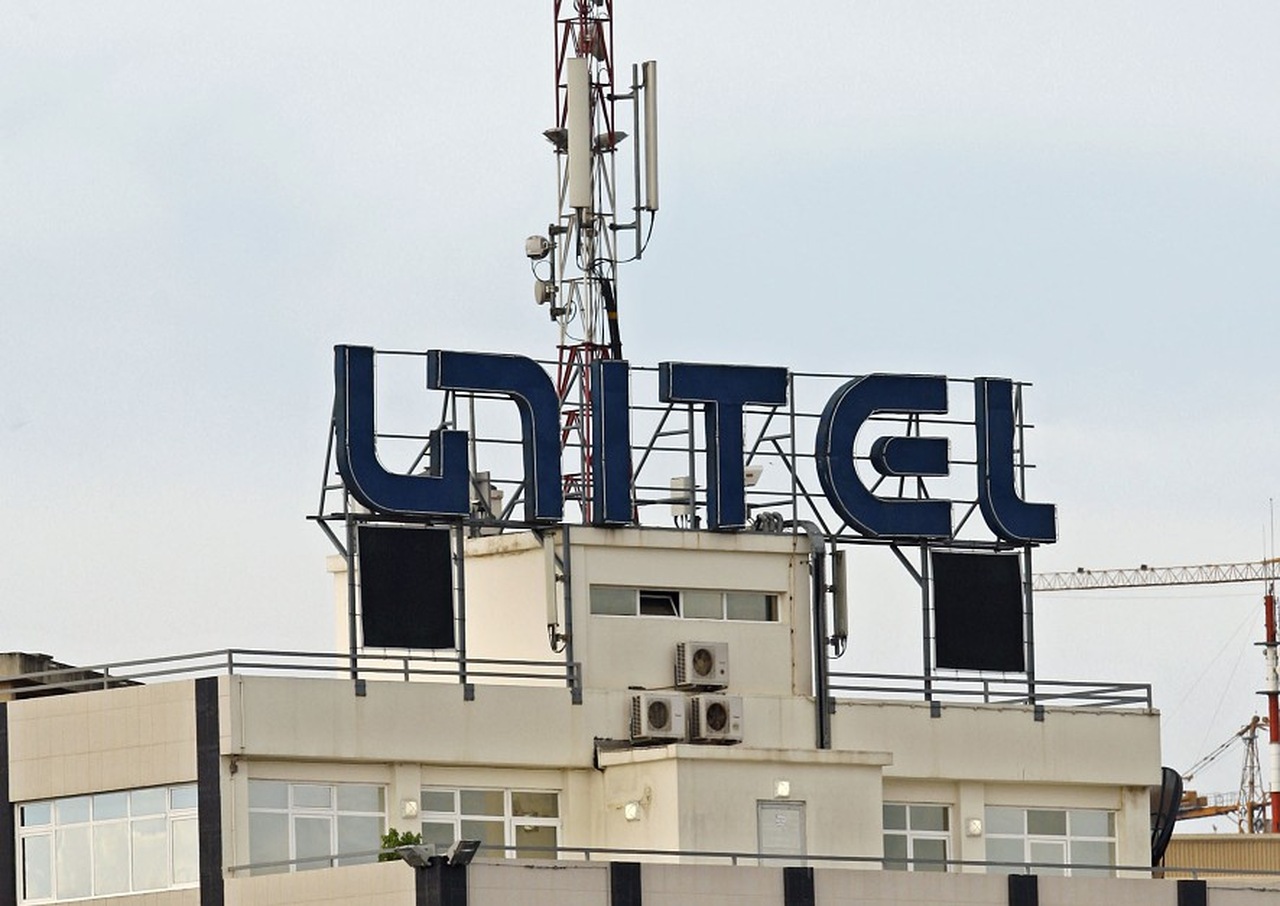
UNITEL says its core mobile services are back across Angola after a July cyberattack, but the incident should still be treated as a major warning for African telecoms and digital infrastructure.
According to TechAfrica News, the Angolan operator has confirmed the nationwide restoration of voice, messaging, mobile data, internet access and third-party network services after a cyberattack launched against its technology infrastructure on July 28, 2026.
The company reportedly said commercial operations at stores and agent locations have returned to normal, along with customer support services. The custom ringback tone feature remains offline and some temporary restrictions remain for changes to post-paid tariffs, affecting a limited number of users.
This is not a small service issue. UNITEL is Angola’s largest telecoms operator, and mobile networks are now part of everyday economic infrastructure. When voice, mobile data and internet access are disrupted, the impact spreads into payments, business communication, transport coordination, public information and ordinary family contact.
The timing of the original attack made the story even more sensitive. Earlier reports said the cyber incident happened shortly before UNITEL’s stock market debut, following Angola’s privatization push. There is no public evidence tying the cyberattack to the listing, but the overlap shows why telecom resilience is now also a capital-market issue.
Recorded Future’s The Record previously reported that network measurement data suggested UNITEL’s internet prefixes stayed announced during the disruption, pointing away from a simple upstream connectivity cut and toward disruption of internal core systems. That kind of detail matters because telecom cyber incidents are often more complex than an external outage.
For Angola, the restoration is good news. But the question now is what lessons are learned from the incident. Telecom operators sit at the center of national digital life, and their networks increasingly support mobile money, enterprise connectivity, government services and critical communications.
This connects to a wider African cybersecurity pattern. We recently wrote about Ghana turning cybersecurity licensing into a boardroom issue. UNITEL’s case is a different type of story, but the same message applies: cyber risk is now operational, financial and regulatory at the same time.
The public will also need transparency where it is safe to provide it. Customers do not need every technical indicator if that would compromise security, but they do need clarity on service stability, whether customer data was affected, what protections have been added and how future disruptions will be handled.
UNITEL’s recovery closes the immediate service chapter. It does not close the bigger African telecom cybersecurity question. As mobile networks become national economic platforms, attacks on telecom infrastructure will have consequences far beyond dropped calls.
Related Reading
More contextual TechBooky stories selected from tags, categories and article context.
Paul Balo is the founder of TechBooky and a highly skilled wireless communications professional with a strong background in cloud computing, offering extensive experience in designing, implementing, and managing wireless communication systems.
We use cookies to ensure that we give you the best experience on our website. If you continue to use this site we will assume that you are happy with it.