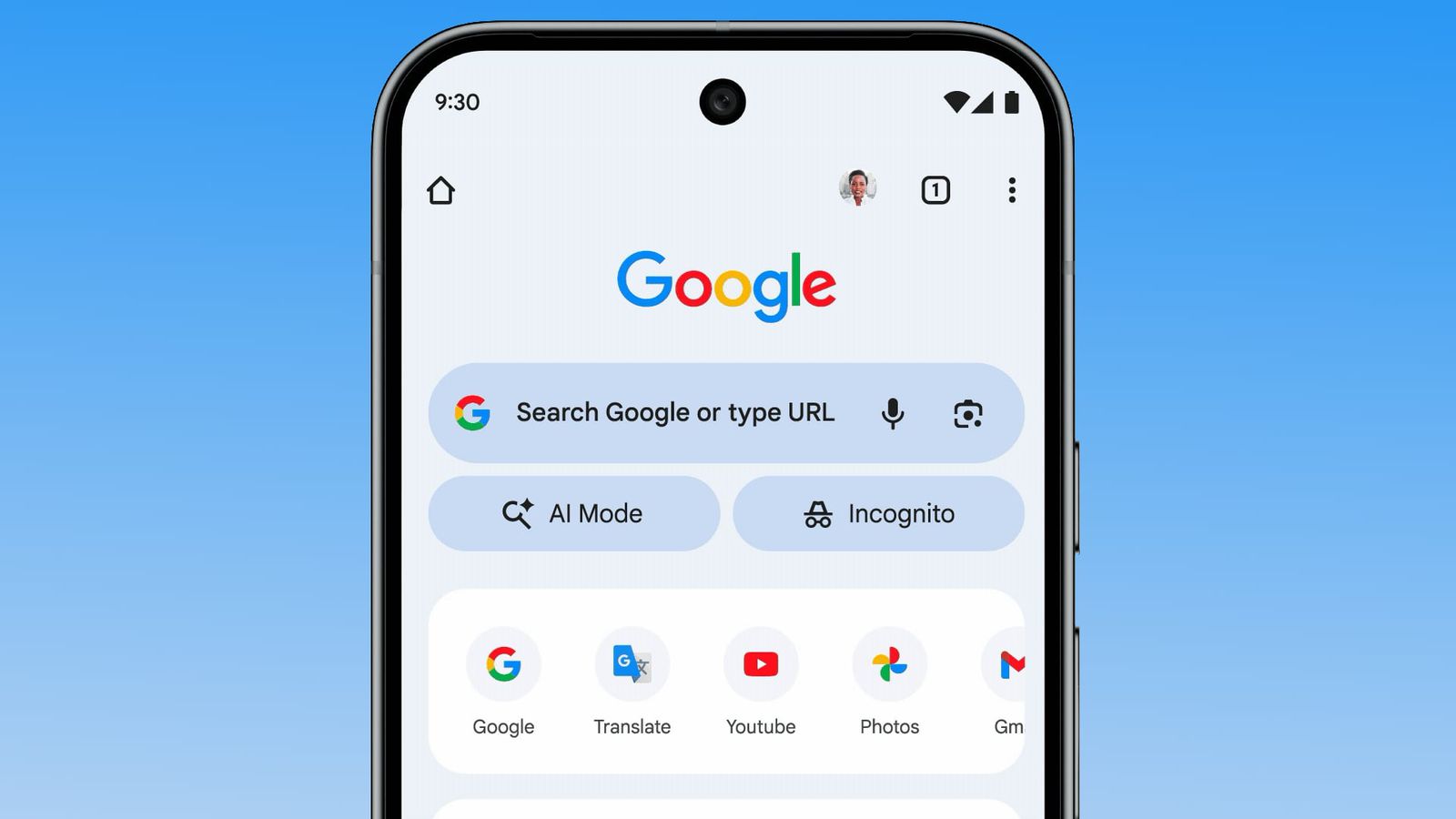
Google is currently testing a new feature in Chrome that bypasses the typical Search experience by sending visitors directly to AI Mode.
The test by Google is on a new flag on Chrome that, when activated, skips regular Google Search and puts users directly into AI Mode, according to Windows Report.
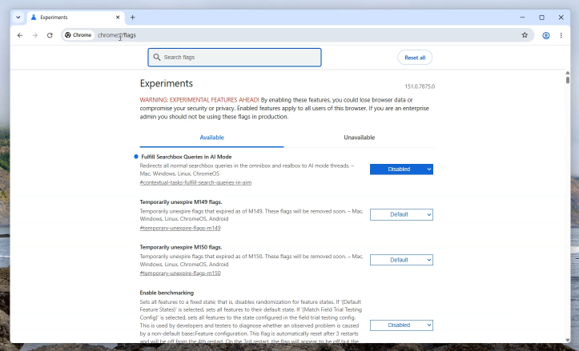
The discovery began when a hidden flag called “Fulfill Searchbox Queries in AI Mode” was found in Chrome Canary, the experimental, developer-focused version of Google’s desktop browser. When users manually enabled this feature, the browser changed its normal behavior.
Typing a standard question into the address bar completely bypassed the traditional Google Search results page, skipping blue links entirely. Instead of seeing a standard list of websites, users were immediately taken to a full, conversational AI Mode thread.
Fulfill Searchbox Queries in AI Mode, according to Google.
All standard search box inquiries are redirected to AI mode threads in the omnibox and realbox. ChromeOS, Windows, Linux, and Mac.
On desktop platforms, the flag appears in the most recent Chrome Canary build, but not on mobile devices. Furthermore, the modification does, as promised, launch users directly into AI Mode via the Chrome Omnibox.
Users will enter AI Mode when they type anything other than a URL, which is somewhat startling after years of seeing regular Google Search there.
This is how it appears when in use in the below frame.
Nevertheless, it appears that Google is merely experimenting with this rather than attempting to change its behaviour.
First of all, by default, this isn’t activated. In addition to being restricted to the Canary release channel, users must explicitly search for and enable this behaviour by visiting chrome://flags. As if that weren’t sufficient, a Google commit states clearly that this is merely for exploration. As of now, there are no plans to launch this.
Google VP Rajan Patel reiterates the commit and states that there are no plans to alter the default behaviour in a post on X. He continues by saying that this was “in error”; however, it’s unclear what went wrong because Google didn’t make this available to Canary users by default.
Standard Google Search on Chrome appears to be safe, at least for the time being, though things could change. As AI becomes more and more of Google’s focus, it’s easy to envision a time when this “exploration” will become standard practice. Google Chrome is a major entrance point for search.
After the flag gained widespread attention, Google moved quickly to minimize speculation. Rajan Patel addressed the situation directly on social media, clarifying that the flag’s sudden visibility in the Chrome Canary build was an accident. He reiterated that the traditional web search infrastructure is not going away.
Despite this specific shortcut being a mistake, Google continues to push generative AI into its primary interfaces. The company recently unveiled its “Intelligent Search Box” overhaul, which uses AI models to answer more complex, multimodal queries involving images, video, and text. As a result of this aggressive AI integration, alternative search engines focused on classic, tracking-free results, such as DuckDuckGo, have reported notable surges in downloads from users who prefer traditional web navigation.
Related Reading
More contextual TechBooky stories selected from tags, categories and article context.
We use cookies to ensure that we give you the best experience on our website. If you continue to use this site we will assume that you are happy with it.