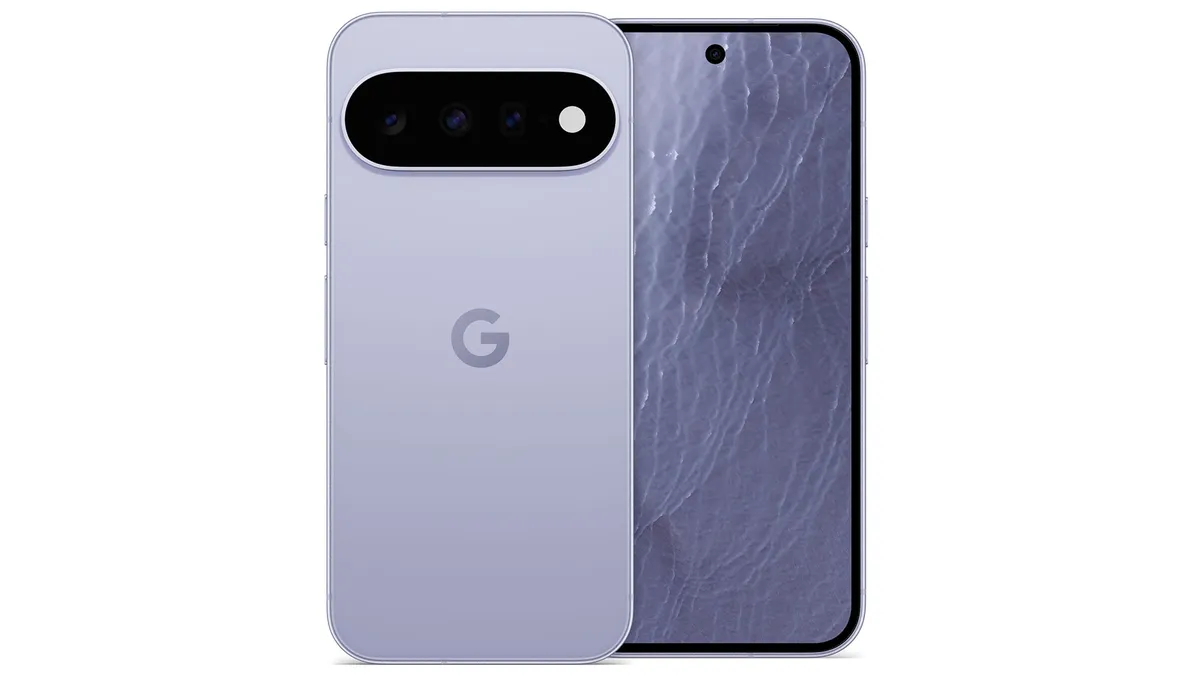
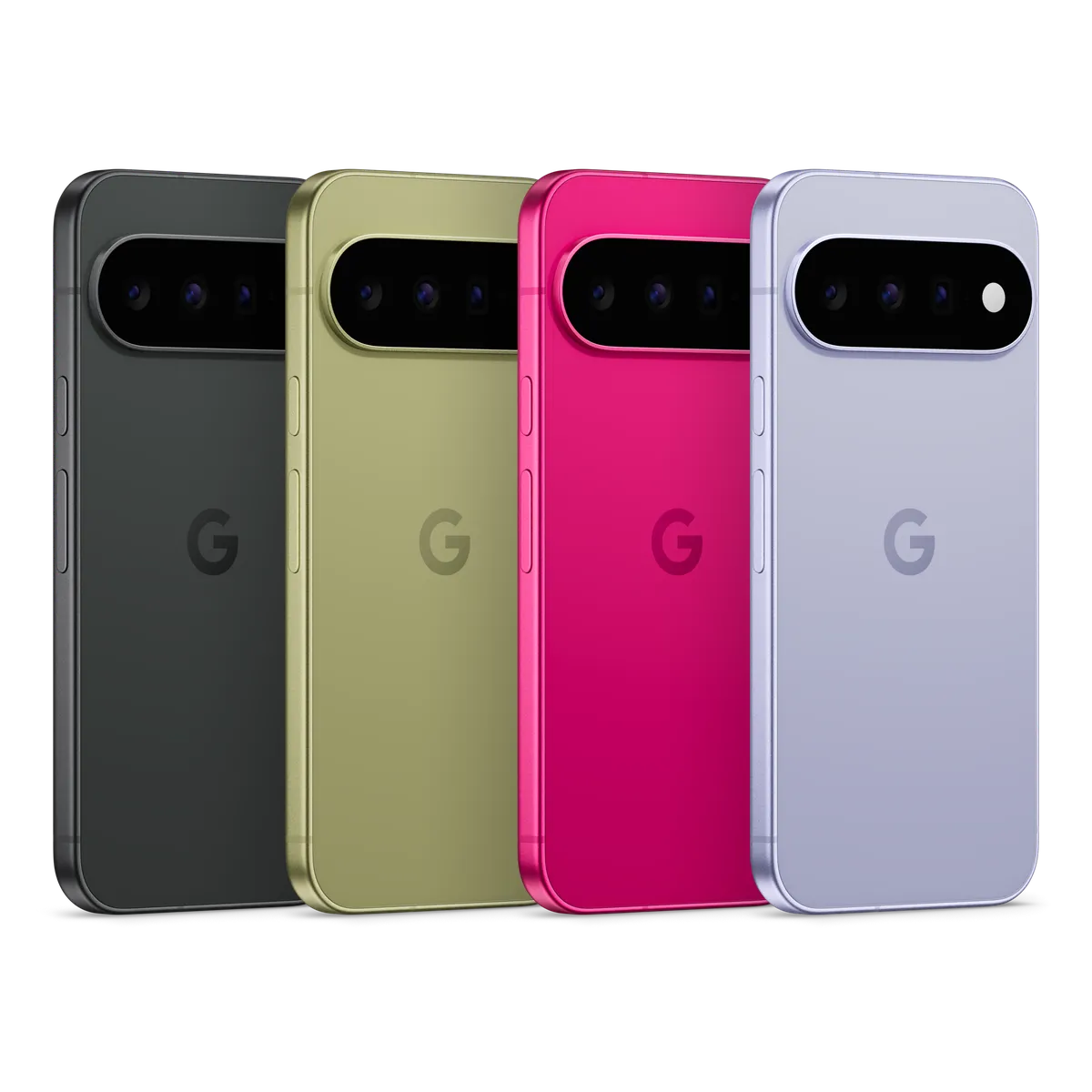
The most important Made by Google announcement may not be a single Pixel device. It may be the way Google is turning Gemini from a chatbot into a layer that runs through the phone.
That is exactly the story. The Pixel 11 family is not trying to shock users with a completely new shape. Instead, Google is using Tensor G6, Gemini Nano and Pixel software to make the phone feel more helpful in ordinary moments: camera work, search-like tasks, alerts, live translation, typing, media and on-device assistance.
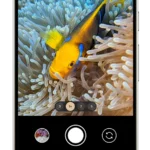
The camera features are central. Pixel 11 gets a larger 48-megapixel main sensor, while the Pro models get new camera sensors, an upgraded 48-megapixel telephoto camera, Portrait Mode at 5x, Pro Zoom up to 120x and Night Sight that Google says is up to 4.5 times faster. These are hardware upgrades, but Google is selling them through the software experience they unlock.
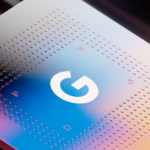
Tensor G6 gives the AI story a more concrete base. Google says the chip brings 50 percent more TPU compute and can process on-device AI tasks up to 3.5 times faster while using up to 3.5 times less energy for supported tasks. That matters because AI features become more useful when they are fast, local and battery-aware.
HiLight on Pixel 11 Pro and Pixel 11 Pro XL is another example of Google trying to make AI feel less like a screen addiction. The coloured LED around the flash can show glanceable signals when Gemini is listening, thinking or responding, and it can also be customized for important contacts. It is a small hardware idea, but it points to a bigger design question: how does an AI phone help without demanding constant attention?
Google has a reason to push this hard. The Gemini app now has more than 1 billion monthly users, but app usage alone does not guarantee deep habit. Phones do. If Gemini can become useful inside camera, messages, calls, media, translation and notifications, Google can make AI feel like part of Android rather than a separate product.
That is also why the Pixel 11 series is a useful test for the whole industry. Apple is trying to make Apple Intelligence feel natural on the iPhone. Samsung is pushing Galaxy AI across phones and wearables. OpenAI and xAI are moving toward agents that act across apps. Google’s advantage is that it controls Android’s direction and has Gemini, Search, Photos, Gmail, Maps and YouTube to connect.
We wrote earlier that Made by Google 2026 is really a Gemini hardware test. The confirmed features now make that even clearer. Pixel 11 is Google’s attempt to prove that AI is most valuable when it disappears into normal phone behaviour.
The risk is feature fatigue. Users have heard many AI promises over the past two years, and not every feature becomes part of daily life. Google will need these tools to be fast, private enough, accurate and easy to trigger. If users have to remember too many special names, the magic fades.
Still, the direction is right. Gemini’s next phase will not be won only inside a chat app. It will be won in the camera, keyboard, call screen, notification shade, browser, gallery and the quiet moments where a phone helps before the user has to ask too much. Pixel 11 is Google’s newest attempt to make that future feel ordinary.
Related Reading
More contextual TechBooky stories selected from tags, categories and article context.
Paul Balo is the founder of TechBooky and a highly skilled wireless communications professional with a strong background in cloud computing, offering extensive experience in designing, implementing, and managing wireless communication systems.
We use cookies to ensure that we give you the best experience on our website. If you continue to use this site we will assume that you are happy with it.