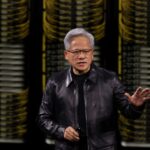
Jensen Huang is back as Nvidia’s chief executive and a board director, an abrupt reversal less than two weeks after his resignation shook the world’s leading AI chipmaker. Nvidia announced the reinstatement on Monday, 23 November, according to Norwegian business publication E24, which cited the company’s statement. Huang also resumes the role of president. Colette Kress, who had been serving as interim chief executive, remains chief financial officer.
The decision is striking because the board had said only last week that it did not intend to reinstate him. At Nvidia’s 17 November earnings call, chair Harvey Jones said directors had unanimously accepted Huang’s resignation and would search for a permanent successor. The company’s earnings-call transcript records that position. Monday’s announcement means the board has changed course within days, following pressure from employees, investors and prominent supporters of Huang.
Nvidia announced on 12 November that Huang had resigned as president, chief executive and director, effective immediately, and named Kress interim CEO. That original company announcement followed reporting about Huang’s personal conduct and questions concerning a woman suspected of ties to Chinese intelligence. The allegations have drawn intense scrutiny because Nvidia’s advanced chips sit at the centre of US technology and export-control policy. Suspicions reported about another person should not be mistaken for a finding that Huang passed on company information or broke the law.
Huang subsequently said he would be willing to return if the board believed it was in the company’s interests. Supporters argued that his leadership was difficult to replace at a critical moment for Nvidia’s AI business. Critics questioned whether restoring him before inquiries concluded would undermine the board’s stated standards. Those governance questions do not disappear with his return.
For Nvidia’s customers, Huang’s reinstatement restores the executive who has been closely associated with its AI chips, software platform and relationships with major cloud providers. It may reduce uncertainty over who sets the company’s strategic direction. It does not, on its own, settle questions about oversight, export controls or the independent investigation announced by the board earlier this month.
The reported company statement says the investigation will continue and that Huang will cooperate. It also describes a new independent board committee for national-security and export-control oversight and a search for a chief compliance officer. These steps matter because Nvidia’s role in the AI supply chain exposes it to commercial pressure and geopolitical scrutiny at the same time. The board will need to demonstrate how its safeguards operate, rather than simply announce them.
The speed of the reversal will also prompt questions from shareholders. What changed in the board’s assessment between the earnings call and Monday? What information can it disclose without compromising the continuing investigation? And how will it handle any findings that emerge after Huang has returned to the top job? Nvidia’s next disclosures and the investigation’s conclusions will determine whether this is the end of a leadership crisis or the beginning of a longer governance test.
Related Reading
More contextual TechBooky stories selected from tags, categories and article context.
Paul Femi Balo is the founder and publisher of TechBooky. He covers artificial intelligence, African technology, digital infrastructure, enterprise technology and the global digital economy.
We use cookies to ensure that we give you the best experience on our website. If you continue to use this site we will assume that you are happy with it.