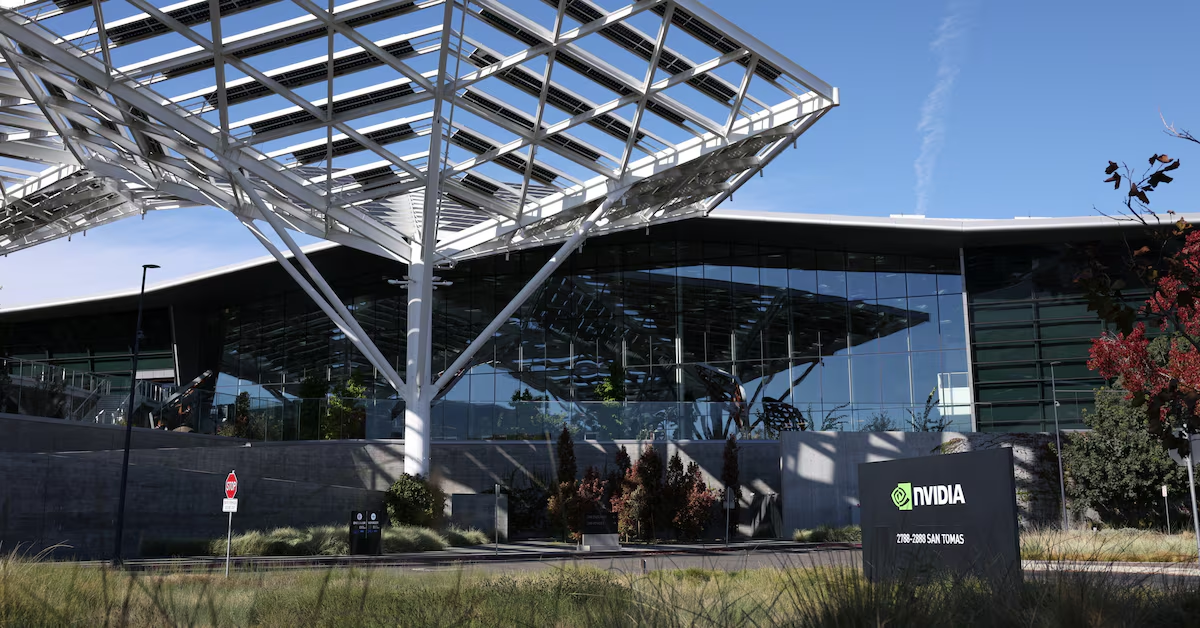
US securities regulators are examining Nvidia’s accounting practices, according to Reuters, which cited two people briefed on the matter on Friday. The report identifies the focus of an investigation previously reported without that detail. It does not establish that Nvidia misstated its accounts or broke any law.
Reuters said Securities and Exchange Commission enforcement staff are scrutinising potential accounting issues, but could not determine when the inquiry began or precisely which practices are under examination. The SEC declined to comment, and Nvidia had not immediately responded to Reuters’ request for comment. Investigations can end without enforcement action.
The distinction between an inquiry and a finding matters particularly for a company at the centre of global AI infrastructure spending. Investors need clear accounts to judge the strength of chip sales, the location of demand and any financial exposure connected to customers. None of those broader questions should be mistaken for a disclosed allegation by the SEC. Reuters’ sources did not identify a particular transaction or filing that regulators believe is wrong.
One area attracting press scrutiny is the way Nvidia describes revenue by geography. Reuters noted that the company changed its reporting last year to use customer headquarters rather than billing addresses. Nvidia said the change better reflected the geographic profile of its revenue. That reporting change is background to the story, not confirmation that it is the subject of the SEC inquiry.
Reuters reported that Nvidia shares extended their losses after its report on Friday. A falling share price measures investors’ response to uncertainty, not the merits of an undisclosed investigation. The company remains a major supplier of the processors used to train and run AI systems, so any question about the reliability of its financial reporting will attract close attention from customers and shareholders alike.
Reuters also pointed to investor concern about arrangements in which chipmakers finance or support businesses that buy their hardware. Such arrangements can make it more difficult to assess underlying demand and financial exposure. Nvidia’s interim chief executive said during its earnings call that it would be more selective about AI industry financing deals. Again, Reuters has not established that these arrangements are the focus of the SEC inquiry.
The next meaningful development would be a statement from Nvidia, a regulatory filing, or a formal SEC action that spells out the issues under review. Until then, the most accurate account is narrow. Two people told Reuters that SEC staff are examining potential accounting issues; the agency has not publicly confirmed the scope, and there is no announced finding of wrongdoing.
Related Reading
More contextual TechBooky stories selected from tags, categories and article context.
We use cookies to ensure that we give you the best experience on our website. If you continue to use this site we will assume that you are happy with it.