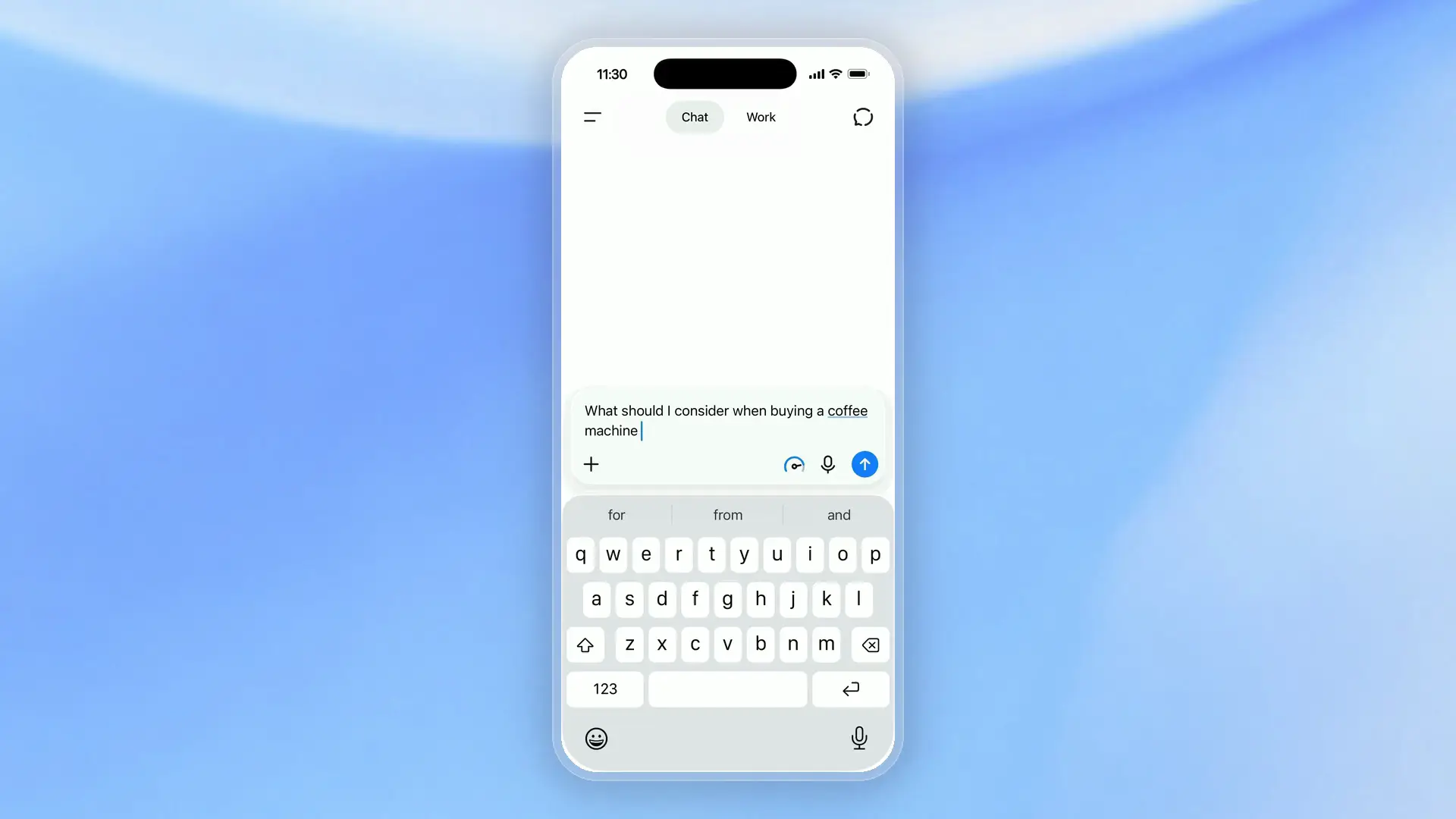
ChatGPT Ads are expanding across Europe today, and that changes how we should think about OpenAI. The company is no longer only selling subscriptions, APIs and enterprise tools. It is now building a media business inside an AI assistant.
OpenAI said in an official announcement that ChatGPT Ads would expand to 31 European countries, including Germany, France, Spain, Italy, Sweden, Norway, Denmark, the Netherlands and Austria. The rollout begins August 24, with advertisers initially gaining access through OpenAI’s Ads Solutions team, agency partners and technology partners.
Self-service access through Ads Manager is expected later this summer. That is important because it shows OpenAI is not treating advertising as a small test forever. It is building the early pieces of an ad platform.
The business logic is easy to understand. Running ChatGPT is expensive. OpenAI has to pay for models, infrastructure, safety systems, product development and global expansion. Subscriptions and API revenue are large, but advertising gives the company another way to monetize the huge number of users who may never pay for a premium plan.
The more interesting question is what advertising inside an AI assistant looks like. Search ads appear beside links. Social ads appear inside feeds. ChatGPT ads may appear at the moment a user is actively comparing, planning or deciding. That could be very valuable if OpenAI keeps the ads clearly labelled and separate from the actual answer.
OpenAI says ads are marked and do not influence responses. That promise will be tested. If users begin to suspect that an assistant’s advice is quietly shaped by advertisers, trust will suffer quickly. People ask AI assistants more personal and detailed questions than they type into search boxes, which makes the advertising boundary more sensitive.
This also puts OpenAI closer to Google and Meta’s business model. We recently wrote about Google’s AI ad labels, and the same trust issue applies here. AI advertising needs disclosure, separation and clear rules before it becomes invisible persuasion.
For marketers, the European launch is a major test. ChatGPT can capture intent in a different way from search because users often explain what they want in full sentences, with context and constraints. That could make ads more relevant, but it also raises privacy and targeting questions under European rules.
For users, the practical question is whether ads make ChatGPT more affordable without making it less trustworthy. OpenAI has to balance both. If ads support free access while staying clearly labelled and non-intrusive, the model can work. If ads start to feel like they are steering answers, the assistant becomes less credible.
OpenAI’s European ad expansion is therefore more than a regional product update. It is the beginning of a much bigger question: can an AI assistant become an advertising platform without losing the trust that made people use it in the first place?
Related Reading
More contextual TechBooky stories selected from tags, categories and article context.
Paul Balo is the founder of TechBooky and a highly skilled wireless communications professional with a strong background in cloud computing, offering extensive experience in designing, implementing, and managing wireless communication systems.
We use cookies to ensure that we give you the best experience on our website. If you continue to use this site we will assume that you are happy with it.