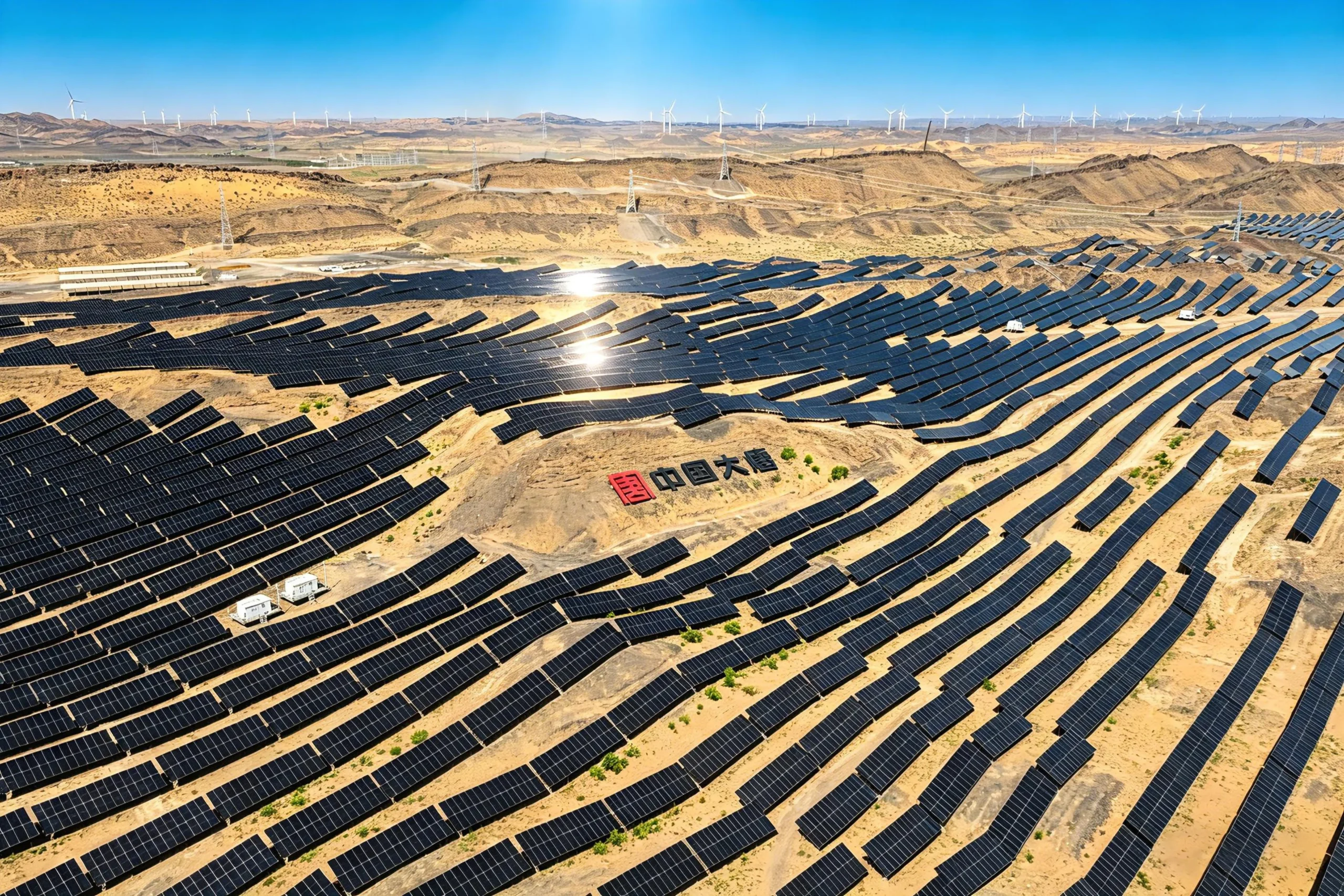
Lesotho has approved a $6.2 billion hydropower and AI data centre project, a huge proposal for a small country and one of the clearest signs yet that African digital infrastructure is now being discussed through the language of energy, compute and sovereignty.
The project, known as Kobong, is backed by U.S.-based Convalt and is valued at about M100 billion, or $6.2 billion. TechAfrica News reported that the government describes it as the largest foreign investment in Lesotho history. Earlier reporting by Connecting Africa said the plan includes renewable power and an AI-capable data centre in the country.
The combination is the important part. AI data centres need enormous, reliable power. Hydropower gives Lesotho a way to present the project as green infrastructure rather than just another electricity-hungry compute site. If built at the scale being discussed, Kobong could turn energy into a digital export platform, not only a domestic utility project.
That ambition is not unrealistic in theory. Countries with reliable clean power, political stability and connectivity can attract data centre investment. The challenge is execution. A project of this size needs financing, grid integration, environmental approvals, water management, connectivity, skilled labour and long-term customers willing to put workloads in Lesotho.
This is why the announcement should be treated seriously but not uncritically. Africa has seen many large infrastructure announcements that take years to move from MoU to construction, and some never fully arrive. The difference here is that AI demand gives the project a stronger market story, while renewable power gives it a sustainability angle. Both help, but neither removes project risk.
The timing is also notable because AI infrastructure is colliding with energy politics around the world. We have covered how AI data centres may face power cuts in constrained grid regions, and how xAI turbine disputes show the pressure to secure fast power for compute. Lesotho proposal goes in the opposite direction: build the energy and compute story together.
There is a digital sovereignty angle too. Lesotho recently launched LesComCSIRT and a national cybersecurity forum, signalling that the country wants to strengthen the trust layer of its digital economy. A data centre project would add the physical layer. Together, they suggest a broader attempt to move from connectivity to actual digital capability.
For Africa, the bigger question is who owns and controls the infrastructure. Foreign-backed projects can bring capital and technical expertise, but governments need to ensure that local benefits are real. That means jobs, skills transfer, connectivity gains, local hosting options, power access and transparent agreements. A data centre that only serves foreign customers while local users see little benefit would be a missed opportunity.
Kobong could become a landmark project if it moves from approval to delivery. It could also become a lesson in the difficulty of matching African energy ambitions with global AI compute demand. Either way, it deserves attention because it shows where the continent digital infrastructure conversation is heading. The next big African tech story may not start with an app. It may start with a dam, a grid connection and a data hall.
Related Reading
More contextual TechBooky stories selected from tags, categories and article context.
Paul Balo is the founder of TechBooky and a highly skilled wireless communications professional with a strong background in cloud computing, offering extensive experience in designing, implementing, and managing wireless communication systems.
We use cookies to ensure that we give you the best experience on our website. If you continue to use this site we will assume that you are happy with it.