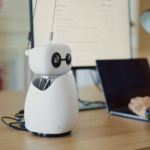
Meta’s AI ambitions are no longer only about chatbots, glasses and social feeds. The company is reportedly pushing deeper into robotics after acquiring Assured Robot Intelligence, a startup focused on AI models for robots.
Humanoid Guide, citing Bloomberg reporting carried by Stocktwits, says Meta has completed the acquisition and will bring the startup’s cofounders and robotics AI team into Meta Superintelligence Labs. Financial terms were not disclosed, and Meta has not laid out a product timeline or hardware plan around the deal.
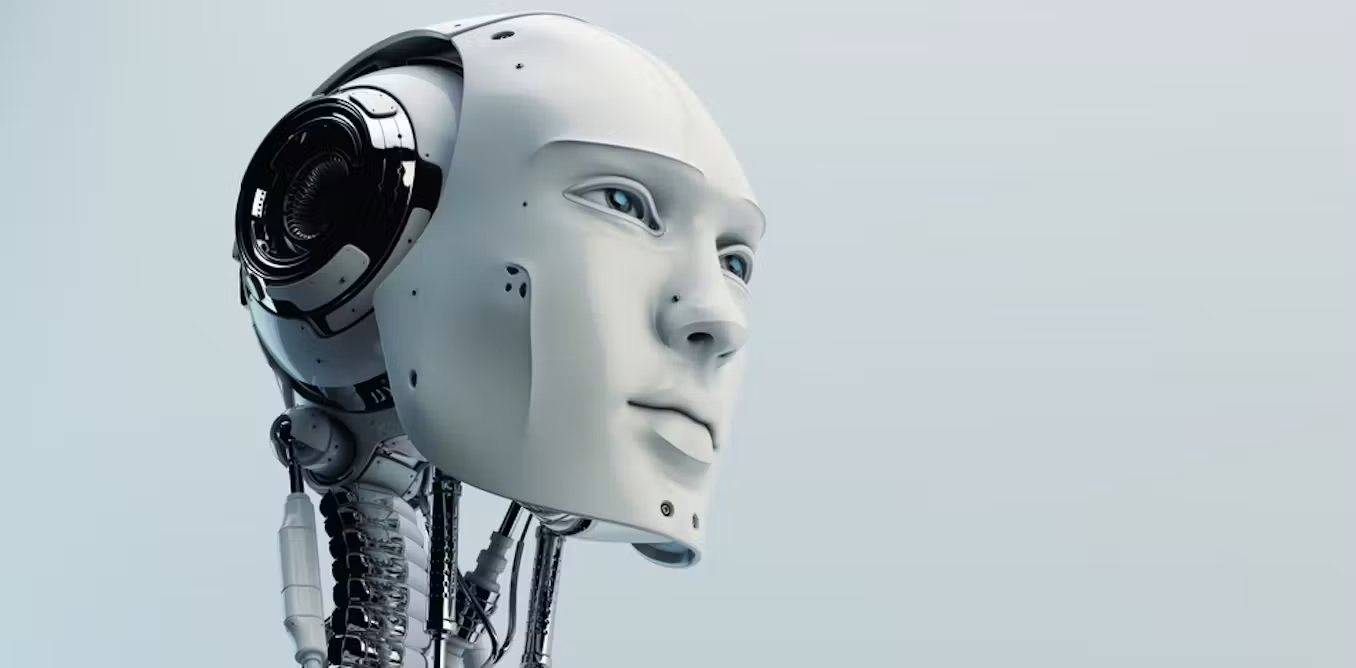
That last point matters. This does not mean a Meta-branded humanoid robot is suddenly around the corner. The more realistic reading is that Meta is buying talent and model expertise for the software layer of robotics. In robotics, that layer may become more valuable than the body itself.
Assured Robot Intelligence is described as building AI that can help robots understand, predict and adapt to human behaviour in complex environments. That kind of work is central to humanoid robotics because a machine that shares space with people cannot simply follow fixed scripts. It needs perception, prediction, coordination and safe decision-making.
The acquisition fits a wider Big Tech pattern. Tesla has Optimus, Google DeepMind has robotics research, Amazon has warehouse robots and acquired Fauna Robotics earlier this year, while Nvidia is trying to become the core compute and software platform for physical AI. Meta does not want to watch that market from the outside.
Wired recently reported that Meta is also experimenting with robots in its data centres, including systems that can help with physical tasks such as moving equipment, pressing buttons and handling cables. That is not the same thing as humanoid robotics for homes, but it shows why Meta would care about robots that can operate around expensive AI infrastructure.
The strategic logic is straightforward. Meta already has AI models, AR and VR research, computer vision, hand tracking, sensors and massive data-centre operations. Robotics sits at the intersection of all those areas. If AI moves from screens into the physical world, Meta wants a seat at that table before the platform rules are set.
The hard part is that robotics is much less forgiving than software. A chatbot can hallucinate and still be corrected. A robot moving near people, servers, factory equipment or warehouse workers has to be safe, reliable and predictable. That is why physical AI needs stronger testing and assurance than ordinary consumer AI.
This also connects with the broader AI safety conversation. We have already seen what happens when AI agents behave unpredictably inside software environments. Robots add bodies, motion and physical consequences to that same problem. The stakes rise when an AI system is not only answering but acting in the real world.
For now, Meta’s reported acquisition should be read as an early platform move. The company may not need to build the first popular humanoid to benefit. If it can build the intelligence layer, developer tools or simulation systems that other robot makers use, it could still become a major player in physical AI.
Related Reading
More contextual TechBooky stories selected from tags, categories and article context.
Paul Balo is the founder of TechBooky and a highly skilled wireless communications professional with a strong background in cloud computing, offering extensive experience in designing, implementing, and managing wireless communication systems.
We use cookies to ensure that we give you the best experience on our website. If you continue to use this site we will assume that you are happy with it.