Taiwan has charged nine people over alleged illegal exports of AI servers to China, and the case shows why chip controls are becoming harder to police as the AI race gets more expensive.
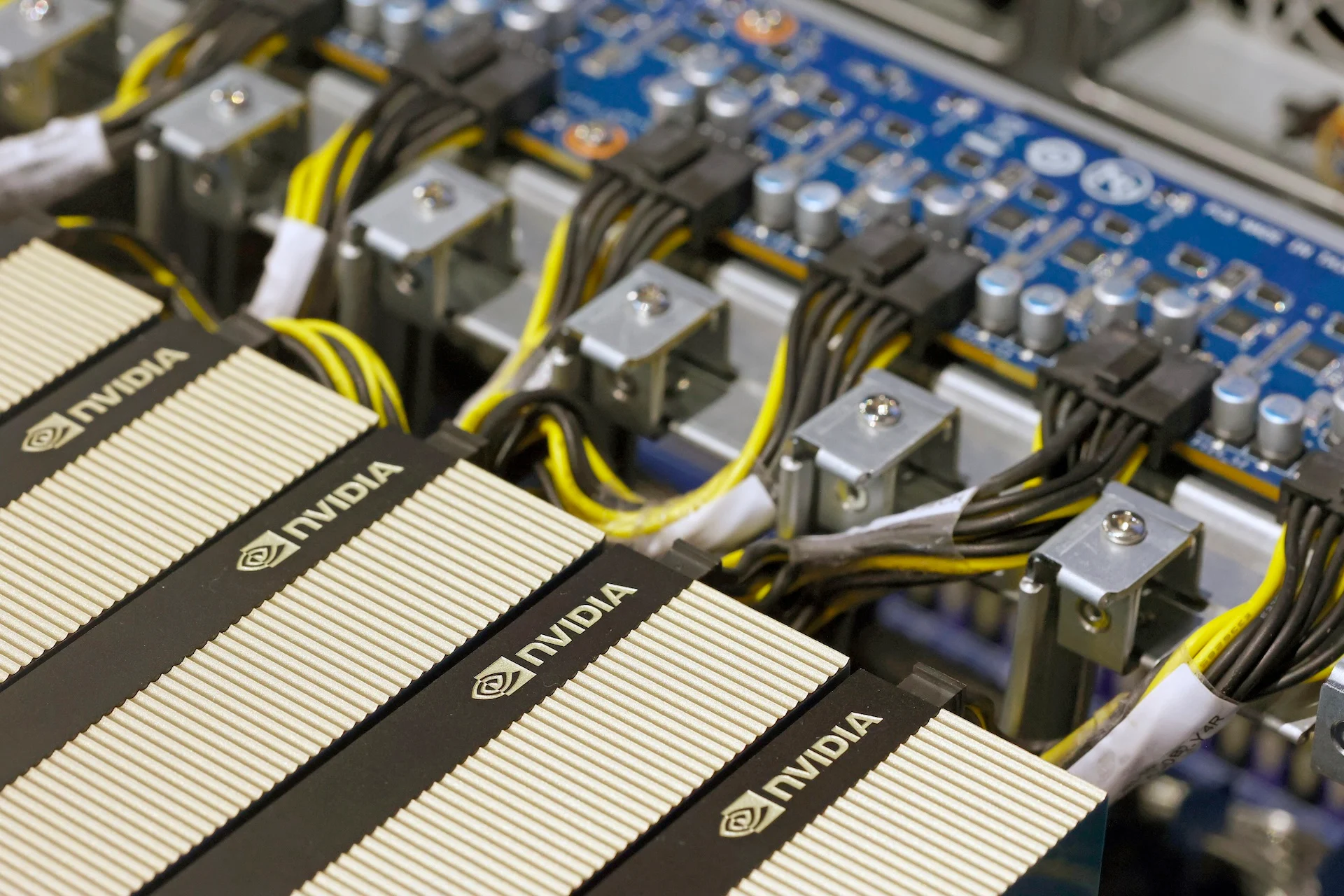
Associated Press reports that Taiwanese prosecutors charged nine people, including one Nvidia employee and two former Super Micro employees, in connection with alleged exports of high-end AI servers to mainland China. The servers reportedly contained advanced Nvidia chips restricted under U.S. export controls.
The details matter because this is not a simple story of someone shipping one box across a border. Reports say 130 servers were involved, with 74 reaching Chinese buyers and 56 intercepted in Taiwan. Some shipments were allegedly routed through places including Hong Kong, Japan and Indonesia, while false documentation and other deceptive methods were used to hide the final destination.
That is the real weakness in export controls. Governments can restrict chips on paper, but AI infrastructure is made of servers, boards, memory, networking gear, cloud contracts, intermediaries and resellers. Once the technology moves through multiple jurisdictions, enforcement becomes a logistics problem as much as a legal one.
Taiwan is central to this because it sits at the heart of the global AI hardware supply chain. The world’s most important advanced chips and servers pass through Taiwanese companies, factories and partners. That makes Taiwan both strategically powerful and unusually exposed to pressure from U.S.-China technology competition.
Nvidia and Super Micro have both said they cooperate with export laws and authorities. The companies themselves are not the story as much as the supply-chain incentives around them. When AI servers are scarce, expensive and strategically valuable, the reward for finding back doors into restricted markets becomes large.
For Washington, the Taiwan case is a warning that chip policy cannot stop at banning direct exports. It needs compliance monitoring, server-level tracking, reseller scrutiny, customs coordination and cooperation with allies that actually sit inside the hardware supply chain.
For AI companies, the case raises compliance risk. A company that sells hardware, cloud access or advanced systems cannot assume that paperwork alone proves end-use compliance. The higher the value of AI infrastructure, the more likely customers, brokers or employees may try to route around restrictions.
The indictment does not end the AI smuggling problem. It makes it visible. The next phase of the AI race will not only be fought in labs and data centres. It will also be fought through customs forms, server allocations and the weak points of global supply chains.
Related Reading
More contextual TechBooky stories selected from tags, categories and article context.
Paul Balo is the founder of TechBooky and a highly skilled wireless communications professional with a strong background in cloud computing, offering extensive experience in designing, implementing, and managing wireless communication systems.
We use cookies to ensure that we give you the best experience on our website. If you continue to use this site we will assume that you are happy with it.